He hadn't spoken a word in fourteen months. We were in our sixth session — I started the low frame drum, steady, nothing demanding. Then he picked up a mallet.
And then, quietly, with his eyes still on the drum — he said "more."
His first word in over a year. I've been a pediatric OT for eleven years. I've never cried in a session before that day.
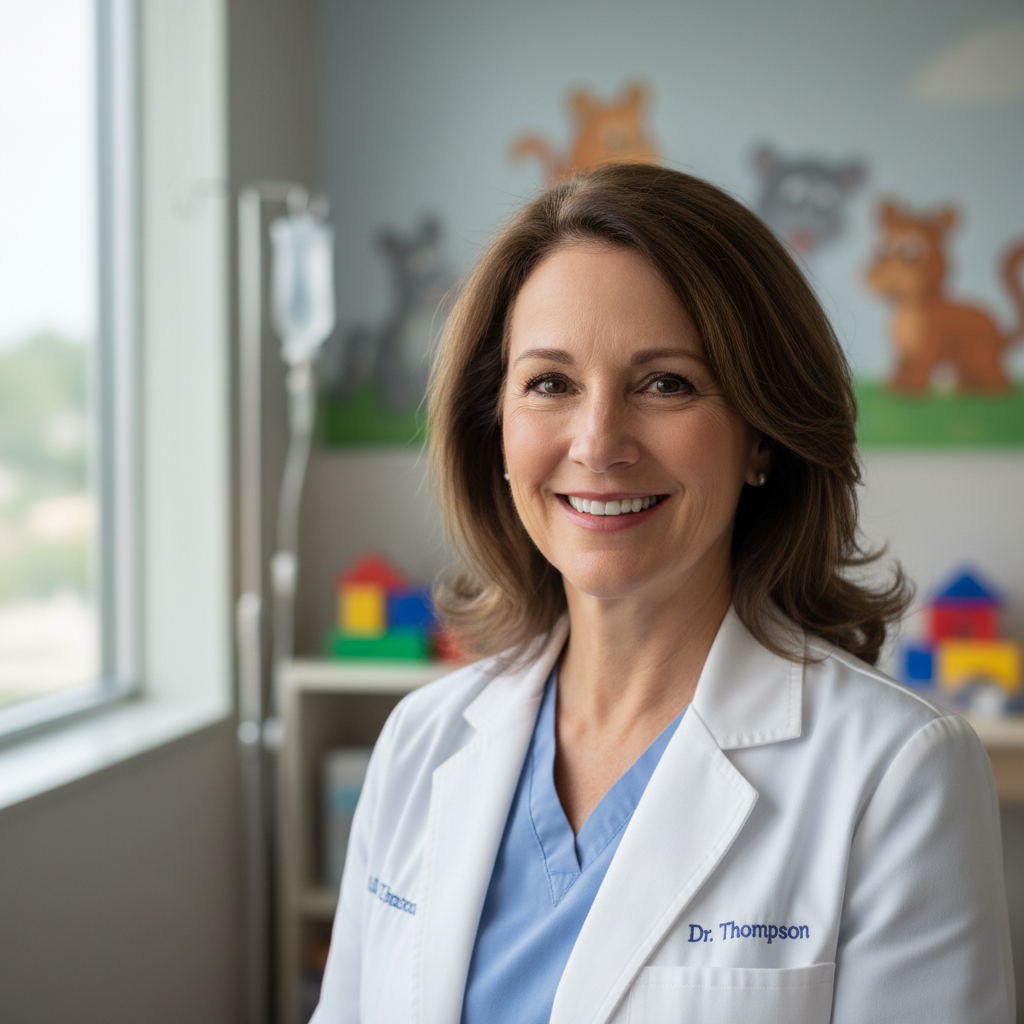
Dr. Maya Chen, OTR/L
Pediatric Occupational Therapist · Module 6 Graduate
What if sound could reach the places words can't?
The nonverbal child
Language emerges from rhythm before it becomes speech. The drum speaks to the brainstem directly — below the cortex, below defense.
The traumatized adult
Trauma lives in the body's timing, not its narrative. A pentatonic scale bypasses the amygdala's alarm — it has no wrong notes, no threat.
The dying patient
Musical memory is the last to go. A melody can unlock presence in someone who has forgotten their own name.
A note from the curriculum
The pentatonic scale — five notes found in every musical culture on Earth — contains no tritone, no leading tone, no harmonic tension. When you play it in a clinical setting, the nervous system doesn't brace. It opens. This is not metaphor. This is neuroscience.
— From Module 2: The Neuroscience of Musical Safety
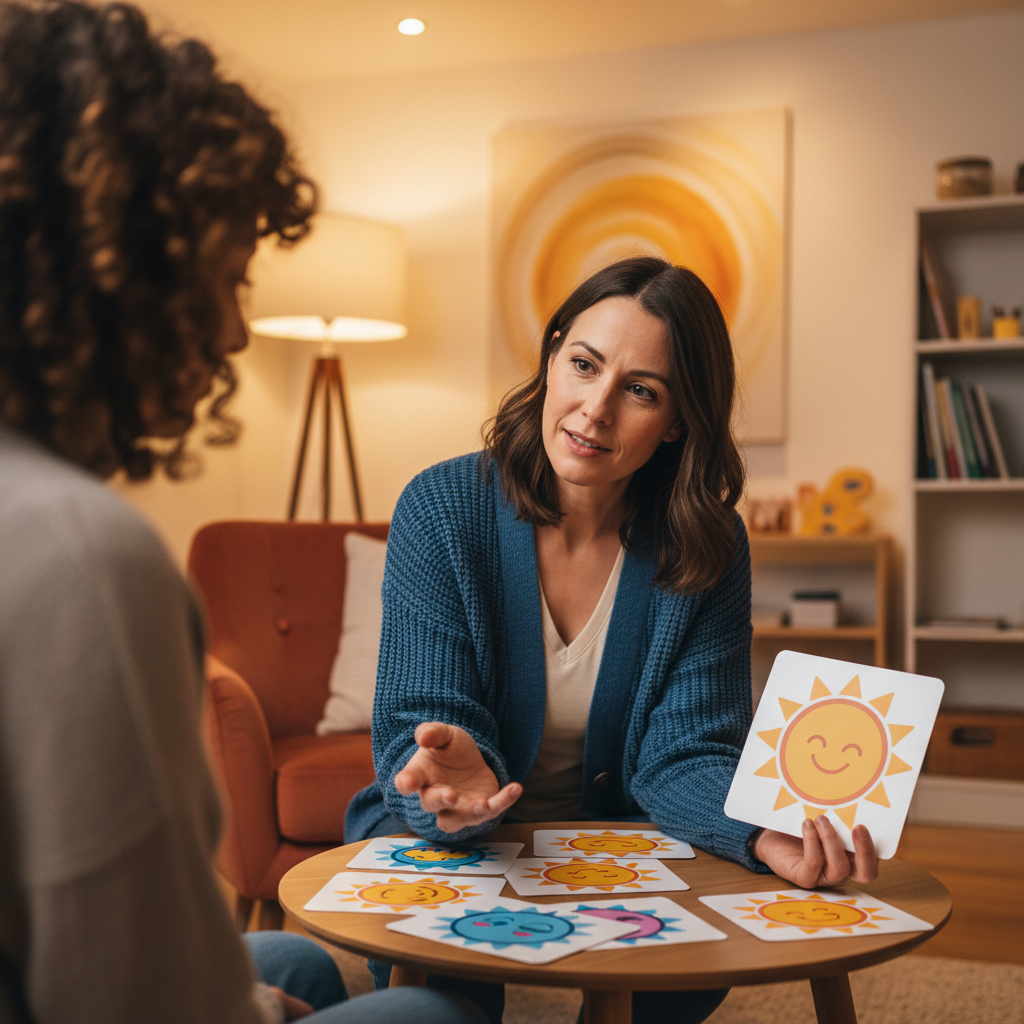
Board Certified
MT-BC, PhD
Music Therapy · Neuroscience
Dr. Leila Osei-Mensah
Twenty-two years ago, Leila watched a seven-year-old girl with selective mutism hum a single note during a session — the first intentional sound the child had made in three years of treatment. That note became the foundation of everything Attune teaches.
A board-certified music therapist, licensed clinical social worker, and researcher at the intersection of sound and nervous system regulation, Leila has trained over 1,400 clinicians across hospice care, pediatric OT, and trauma-informed counseling. Her approach doesn't ask you to become a musician. It asks you to listen differently.
Six modules. A path through the canopy.
Each module descends deeper into the practice — from the neurological foundations to the moment you sit with a patient and let sound do what language cannot.
The Listening Body
Foundations of Sound and Nervous System
How auditory input bypasses cortical processing and lands directly in the brainstem. Why rhythm regulates before it communicates. Your first clinical listening practice.
Musical Safety
The Neuroscience of Pentatonic Scales
Why certain harmonic structures reduce threat response. How to construct a "safe sonic container" for trauma-informed work. Practical exercises with frame drum and voice.
Rhythm as Regulation
Clinical Drumming for Affect Dysregulation
Entrainment theory applied to anxiety, hyperarousal, and dissociation. Contraindications and pacing. Case studies from pediatric and adult trauma populations.
Melody and Memory
Working with Dementia and Acquired Brain Injury
Musical memory as the last preserved system. Song selection methodology. How to use familiar melody to restore presence, not just recall.
Silence as Instrument
Rest, Pause, and Held Space
The clinical uses of silence — intentional rests, held tones, and the space between phrases. How to read a patient's relationship to quiet. Advanced listening protocol.
Integration and Practice
Building Your Music Therapy Toolkit
Designing your first music therapy protocol. Documentation, ethics, and scope of practice for non-MT clinicians. Your final supervised session and certification.
Module 1 is yours, free. No card required.
Download the First Lesson FreeWhat your practice looks like after the clearing.
94%
report a measurable shift in patient engagement within the first four sessions
1,400+
licensed clinicians have completed the Attune curriculum since 2019
87%
of OT graduates introduced music therapy with nonverbal pediatric clients within 60 days
3 CEUs
awarded upon completion, accepted by NBCOT, NASW, and NBCC
"I've been a hospice social worker for sixteen years. Attune gave me a tool I didn't know I'd been missing. My patients don't just tolerate sessions now — they ask for them."
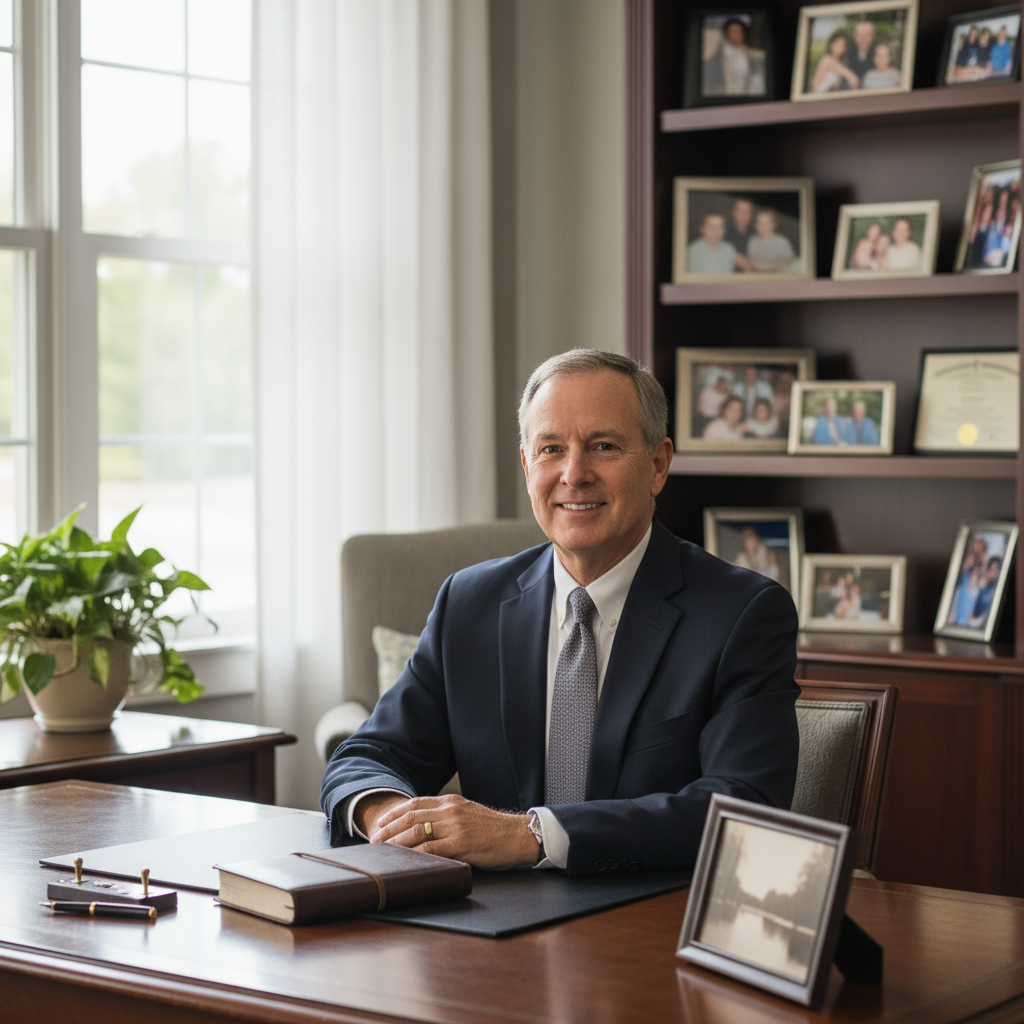
James Okafor, LCSW
Hospice & Palliative Care · Module 4 Graduate
"My supervisor asked what changed in my practice. I said I stopped trying to fix with words and started listening for the rhythm underneath the words."

Priya Nair, LPC
Licensed Professional Counselor · Module 6 Graduate
Download the First Lesson Free
Module 1: The Listening Body — the complete first lesson, including the clinical listening protocol, the pentatonic safety framework, and your first guided session script.